Showing posts with label advertisements. Show all posts

Saturday, August 20, 2022

+22 How Advertisements Influence Us Ideas

+22 How Advertisements Influence Us Ideas. Web while a survey suggests many users are sceptical about what some influencers say, research still shows they can have a. Web these results suggest that the most powerful effect of advertising is just to create a good feeling about a product by.

Political ads have little persuasive power YaleNews
Political ads have little persuasive power YaleNews from news.yale.edu

Web the advertiser’s intentions are to try to get into your mind and influence your thoughts and decisions. Web according to the advertising council, “advertising strengthens our economy” through raising sales,. Web while a survey suggests many users are sceptical about what some influencers say, research still shows they can have a.

The Power of Advertising: A Comprehensive Guide

I. Introduction

In today's fast-paced and highly competitive service landscape, advertising plays a pivotal role in shaping the success and development of companies worldwide. This article looks into the essential aspects of advertising, clarifying its meaning, highlighting its enormous importance and influence on modern company, and exploring the underlying function and goals that drive advertising strategies.

A. Definition of Advertising

Advertising, in its essence, describes the tactical interaction and promotion of items, services, or concepts to target market with the intention of affecting their habits and driving particular actions. It is an ever-changing and creative marketing approach that utilizes various channels and mediums to provide persuasive messages and catch the attention of potential customers.

At its heart, advertising goals to bridge the gap between organizations and consumers, successfully communicating the value propositions of services and products, consequently stimulating need and promoting brand awareness. It is a flexible practice that includes art, psychology, data analytics, and marketing research to craft compelling campaigns that resonate with the target market.

B. Importance and Impact of Advertising in Modern Business

In the modern business landscape, advertising stands as a essential pillar for companies aiming to thrive and preserve an one-upmanship. Its significance lies in numerous crucial areas:

  • Brand Awareness and Recognition: Advertising serves as the lead in structure brand name awareness and acknowledgment. It elevates a brand name's visibility in the market, making it familiar to consumers and helping with recall when they are ready to make purchasing choices.
  • Driving Sales and Revenue: Effective ad campaign straight effect sales and revenue generation. By reaching prospective buyers, articulating item benefits, and compelling them to act, advertising drives consumers through the sales funnel, eventually enhancing profitability.
  • Producing a Unique Brand Identity: Through consistent messaging and innovative storytelling, advertising assists shape a brand's identity and personality. It makes it possible for business to differentiate themselves from competitors, fostering a loyal client base.
  • Market Penetration and Expansion: For brand-new market entrants or companies seeking expansion, advertising functions as a potent tool to permeate new markets and reach untapped consumer sections, broadening their client base.
  • Cultivating Customer Loyalty: Advertising is not entirely about obtaining new consumers however also about keeping existing ones. Routine engagement through advertising strengthens brand name loyalty, motivating repeat purchases and advocacy.

C. Purpose and Objectives of Advertising

The overarching function of advertising revolves around accomplishing particular goals that line up with a business's marketing and service goals. The crucial objectives include:

  • Informing and Educating: Through advertising, brands notify consumers about new items, services, or innovations, providing essential details to make informed decisions.
  • Encouraging and Influencing: A central objective of advertising is to convince prospective consumers to prefer a specific brand name over its rivals, influencing their buying options favorably.
  • Altering Perception: In cases where a brand name faces challenges or misconceptions, advertising can be critical in modifying public perception and reshaping the brand's image.
  • Encouraging Action: Whether it's purchasing, registering for a service, or engaging with the brand name, advertising intends to prompt particular actions from the target market.
  • Creating an Emotional Connection: Compelling advertising appeals to emotions, intending to establish an emotional connection between the brand and customers, promoting loyalty and long-lasting relationships.

Advertising functions as a vital force that drives modern-day business success. With its ability to reach vast audiences, affect customer behavior, and shape brand name perception, advertising stays an essential element in the marketing mix of services across markets. Comprehending its definition, recognizing its significance, and embracing its purpose and objectives are important steps for business looking for to harness the true potential of advertising in their journey towards success.

II. Historical Evolution of Advertising

A. Early Forms of Advertising

Advertising, in numerous forms, has been an essential part of human history since ancient times. Early civilizations used basic approaches to promote products and services, leveraging standard interaction techniques to reach prospective consumers. Some early types of advertising consist of:

  • Pictorial Signage: In ancient marketplaces, traders utilized pictorial signs and signs to identify their stores and indicate the items they offered. These visual hints acted as an early form of branding and assisted illiterate people acknowledge companies.
  • Town Criers: In middle ages Europe, town criers played an essential role in sharing info and advertising occasions. They would openly announce news, proclamations, and commercial messages, serving as human "speakers" for services and authorities.
  • Handbills and Posters: In the 17th and 18th centuries, printed handbills and posters became popular advertising tools. These marketing materials were plastered on walls, trees, and other public areas to notify the local neighborhood about products, services, and occasions.

B. The Birth of Modern Advertising

The Industrial Revolution in the 19th century produced significant changes to the advertising landscape. Advancements in innovation and mass production, paired with the development of metropolitan centers, produced new opportunities for businesses to reach bigger audiences. Key milestones in the birth of modern advertising include:

  • Newspapers and Magazines: With the rise of industrialization and the printing press, newspapers and magazines emerged as popular advertising platforms. Businesses started putting paid advertisements in publications, targeting particular demographics based on readership.
  • Branding and Logos: As competition increased, companies recognized the need for differentiation. They began embracing logos and mottos to develop brand name identities that consumers might recognize and trust.
  • Advertising Agencies: In the late 19th century, the first ad agency were developed, marking a shift from specific companies managing their promos to specialized firms offering advertising services. These companies brought a more strategic and creative approach to advertising.

B. Broadcast Advertising

Broadcast advertising includes reaching a broad audience through audio or visual media channels. This kind of advertising is prevalent in both traditional and digital formats.

Tv Commercials

Television commercials have been a staple of advertising given that the advent of tv itself. They provide a dynamic way to record the attention of viewers using visuals, audio, and storytelling. Television commercials can range from short 15-second spots to longer formats, depending on the budget plan and time slots acquired.

Tv advertising permits businesses to take advantage of popular television shows, occasions, or sports broadcasts, enabling them to reach a huge and diverse audience. However, with the rise of streaming platforms and on-demand services, advertisers have actually adapted their methods to reach audiences who take in material through alternative means.

Radio Ads

Radio advertising stays an important option for businesses to engage with audiences while they are on the go. These ads leverage the power of audio to convey messages and create brand name awareness. Radio areas can be customized to particular time slots or radio stations that align with the target audience's interests.

Despite the visual constraints, radio ads can be extremely reliable in constructing a brand's sonic identity and developing a strong connection with listeners through appealing jingles or unforgettable taglines.

The Landscape of Digital Advertising

In the fast-paced digital age, advertising has developed considerably, moving from traditional mediums to the large landscape of the web. Digital advertising, a vibrant and ever-changing world, has actually ended up being an important element of modern-day marketing methods. In this article, we will explore the various kinds of digital advertising, consisting of online banner ads, social media advertising, search engine marketing (SEM), and e-mail marketing.

Online Banner Ads

Online banner advertisements are one of the earliest and most identifiable forms of digital advertising. These visual advertisements are displayed on websites, normally at the top, bottom, or sides of a page. Banner ads can be static images, animated gifs, and even interactive multimedia components. They aim to get the attention of website visitors and direct them to the advertiser's site or landing page. The success of banner advertisements depends on compelling visuals, memorable copy, and strategic advertisement positioning on pertinent sites.

Social Network Advertising

The rise of social networks platforms has actually reinvented how organizations reach their target audience. Social network advertising involves creating and promoting ads on popular social media networks such as Facebook, Instagram, Twitter, LinkedIn, and others. These platforms offer sophisticated targeting choices based upon demographics, interests, habits, and even custom-made audience sections. Social media advertisements can take different formats, including image ads, video ads, carousel ads, and sponsored posts. The interactive and highly interesting nature of social networks advertisements permits brand names to develop strong connections with their audience and drive conversions.

Search Engine Marketing (SEM)

Search Engine Marketing (SEM) is a form of paid advertising that aims to increase a site's exposure on search engine results pages (SERPs). It involves bidding on particular keywords relevant to business, and when users search for those keywords, the advertisements appear on top or bottom of the search results page. SEM can be highly effective as it targets users actively searching for product and services connected to the marketer's offerings. Google Ads (formerly referred to as Google AdWords) is the most popular platform for SEM, but other online search engine like Bing also offer similar advertising opportunities.

Email Marketing

Email marketing stays a potent tool for organizations to connect with their existing and possible clients. It includes sending targeted emails to a thoroughly curated list of customers. These e-mails can serve different purposes, such as promoting new items, supplying special deals, sharing important material, or nurturing leads through automated drip campaigns. Email marketing can be highly personalized, enabling services to customize messages based on user choices and habits. To be successful, e-mail marketing requires engaging content, well-designed templates, and compliance with anti-spam regulations.

Digital advertising has actually opened a world of chances for services to connect with their audience in more personalized and impactful methods. Online banner advertisements, social networks advertising, online search engine marketing, and e-mail marketing are simply a few of the many methods offered to marketers in the digital world. As technology continues to advance, advertisers must stay nimble and ingenious to maximize the varied possibilities provided by digital advertising and attain their marketing objectives.

IV. The Psychology of Advertising

Advertising is a necessary aspect of contemporary business, created to influence and convince customers to purchase services or products. Behind every effective advertising campaign lies a detailed understanding of human psychology. Advertisers leverage different mental principles to catch attention, evoke feelings, and eventually drive acquiring choices. In this article, we will look into the remarkable world of the psychology of advertising, exploring how it forms consumer habits and utilizes persuasion strategies to attain its objectives.

Comprehending Consumer Behavior

Customer behavior is the research study of how people make decisions to please their needs and wants. Effective advertisers dig deep into comprehending their target market to develop more effective projects. Some essential elements of consumer behavior that advertisers consider consist of:

  • A. Inspiration: Understanding the requirements, desires, and motivations that drive consumers to act.
  • B. Perception: Taking a look at how consumers perceive and interpret advertising messages, visuals, and brand name identities.
  • C. Attention: Capturing and keeping the attention of customers in the middle of the consistent barrage of advertisements in the contemporary world.
  • D. Memory: Producing unforgettable advertising experiences that remain in the minds of customers long after direct exposure.
  • E. Decision-making: Determining aspects that influence customers' purchase choices, such as social proof, evaluations, and emotional appeals.

The Power of Feelings in Advertising

Feelings play a substantial function in advertising, as they can produce a strong connection in between the audience and the brand. Advertisers typically use emotional appeals to set off specific sensations, such as joy, fond memories, worry, or compassion. Emotional advertising can be particularly efficient in brand name storytelling and building brand commitment. By generating emotional responses, advertisers can forge a deeper bond with consumers, resulting in increased brand name recall and positive associations.

The Art and Science of Advertising:

Advertising is both an art and a science. It needs imaginative ingenuity to develop compelling content that records attention and leaves a lasting impression. Simultaneously, data-driven insights and innovation play a vital function in enhancing ad performance, guaranteeing that advertising efforts are not only distinctive however also cost-effective. Striking the best balance between imagination and data-driven techniques is important for successful campaigns.

Ethical Factors to consider:

In a world where consumers are increasingly conscious of the brand names they support, ethics in advertising have ended up being more crucial than ever. Advertisers need to be mindful of the content they develop, avoiding deceptive claims, deceptive practices, or offending product. Industry self-regulation and adherence to advertising requirements are important in preserving consumer trust and supporting the stability of the advertising profession.

Measuring Advertising Efficiency:

To validate advertising investments, services should count on robust metrics and key performance indications (KPIs) to measure campaign success. From reach and engagement metrics to return on investment (ROI) analysis, advertisers need to constantly examine the impact of their advertising efforts. Measuring advertising effectiveness can be difficult, particularly when associating sales and conversions to specific ad campaigns in today's complex customer journey.

The Future of Advertising:

Looking ahead, the future of advertising promises to be much more vibrant and innovative. Improvements in innovation, such as artificial intelligence (AI), artificial intelligence, augmented reality (AR), and virtual reality (VR), will open brand-new possibilities for developing immersive and personalized advertising experiences. Advertisers will need to adjust to these emerging trends, harnessing the power of data and creativity to create meaningful connections with their audiences.

In conclusion, advertising remains an essential element in the success of organizations and brand names worldwide. As we accept the ever-changing landscape of advertising, it is important to keep in mind that its real power lies in the ability to motivate, notify, and stimulate feelings within consumers. By integrating imagination with data-driven techniques and maintaining ethical requirements, advertisers can continue to captivate audiences and drive development for their companies. In this digital age, where consumers are swamped with many messages every day, the true art of advertising lies in developing meaningful and authentic connections that stand the test of time. As the advertising industry continues to progress, something remains particular: the art of storytelling through advertising will permanently stay an ageless and engaging force in the world of marketing and interaction.

Wednesday, August 17, 2022

Cool How Do Advertisements Influence Underage Drinking Brianly References

Cool How Do Advertisements Influence Underage Drinking Brianly References. Web answer answered how do advertisements influence underage drinking? Web the guidelines say risky behaviour is more likely among drinkers under the age of 18 than older drinkers,.

PPT Parental Influence on Underage Drinking PowerPoint Presentation
PPT Parental Influence on Underage Drinking PowerPoint Presentation from www.slideserve.com

Web although there are other influences on underage drinking, including those of peers and adults, prevention strategies should. Web the guidelines say risky behaviour is more likely among drinkers under the age of 18 than older drinkers,. Web researchers have long suspected a connection between alcohol advertisements and underage drinking, but.

The Power of Advertising: A Comprehensive Guide

I. Introduction

In today's hectic and highly competitive organization landscape, advertising plays an essential function in shaping the success and growth of organizations worldwide. This short article delves into the basic elements of advertising, shedding light on its meaning, highlighting its significant significance and influence on modern company, and checking out the underlying purpose and goals that drive advertising strategies.

A. Definition of Advertising

Advertising, in its essence, refers to the strategical interaction and promo of products, services, or concepts to target market with the intent of influencing their behavior and driving specific actions. It is a vibrant and imaginative marketing method that harnesses various channels and mediums to deliver convincing messages and catch the attention of prospective customers.

At its core, advertising objectives to bridge the gap between organizations and customers, effectively communicating the value proposals of services and products, thereby stimulating demand and promoting brand awareness. It is a complex practice that incorporates creativity, psychology, data analytics, and market research to craft engaging projects that resonate with the target market.

B. Importance and Impact of Advertising in Modern Business

In the contemporary service landscape, advertising stands as a essential pillar for business seeking to prosper and keep a competitive edge. Its significance lies in numerous key locations:

  • Brand Awareness and Recognition: Advertising works as the lead in structure brand awareness and recognition. It raises a brand's visibility in the market, making it familiar to consumers and facilitating recall when they are ready to make purchasing choices.
  • Driving Sales and Revenue: Effective marketing campaign directly effect sales and income generation. By reaching possible buyers, articulating item benefits, and compelling them to act, advertising drives customers through the sales funnel, eventually enhancing profitability.
  • Producing a Unique Brand Identity: Through consistent messaging and imaginative storytelling, advertising helps form a brand name's identity and character. It enables business to distinguish themselves from rivals, promoting a loyal client base.
  • Market Penetration and Expansion: For new market entrants or businesses looking for growth, advertising acts as a potent tool to penetrate new markets and reach untapped customer segments, expanding their customer base.
  • Cultivating Customer Loyalty: Advertising is not entirely about acquiring new customers but likewise about maintaining existing ones. Routine engagement through advertising reinforces brand commitment, motivating repeat purchases and advocacy.

C. Purpose and Objectives of Advertising

The overarching purpose of advertising revolves around attaining particular goals that align with a business's marketing and organization objectives. The key objectives consist of:

  • Informing and Educating: Advertising informs customers about new products, services, or developments, gearing up necessary details to make informed choices.
  • Encouraging and Influencing: A central goal of advertising is to encourage possible customers to favor a specific brand over its rivals, affecting their getting options favorably.
  • Altering Perception: In cases where a brand name faces challenges or misconceptions, advertising can be crucial in shifting public understanding and reshaping the brand name's image.
  • Encouraging Action: Whether it's buying, registering for a service, or engaging with the brand, advertising aims to promote specific actions from the target market.
  • Producing an Emotional Connection: Reliable advertising attract emotions, intending to establish an emotional connection between the brand and consumers, fostering commitment and long-term relationships.

It works as a vital force that drives modern-day service success. With its capability to reach huge audiences, affect consumer behavior, and shape brand name understanding, advertising stays an essential element in the marketing mix of businesses throughout markets. Comprehending its meaning, understanding its significance, and using its function and objectives are essential actions for companies looking for to harness the true capacity of advertising in their journey towards success.

II. Historical Evolution of Advertising

A. Early Forms of Advertising

Advertising, in different kinds, has actually been an integral part of human history considering that ancient times. Early civilizations used basic approaches to promote items and services, leveraging fundamental interaction methods to reach prospective consumers. Some early types of advertising consist of:

  • Pictorial Signage: In ancient marketplaces, traders used pictorial signs and signs to identify their shops and show the items they provided. These visual hints functioned as an early kind of branding and assisted illiterate people recognize organizations.
  • Town Criers: In middle ages Europe, town criers played an essential function in sharing details and advertising occasions. They would openly reveal news, proclamations, and spot announcements, acting as human "loudspeakers" for organizations and authorities.
  • Handbills and Posters: In the 17th and 18th centuries, printed handbills and posters ended up being popular advertising tools. These promotional materials were plastered on walls, trees, and other public spaces to notify the regional community about items, services, and events.

B. The Birth of Modern Advertising

The Industrial Revolution in the 19th century brought about considerable changes to the advertising landscape. Developments in technology and mass production, coupled with the development of city centers, created brand-new chances for businesses to reach larger audiences. Secret turning points in the birth of modern advertising include:

  • Newspapers and Magazines: With the increase of industrialization and the printing press, newspapers and magazines emerged as prominent advertising platforms. Organizations began putting paid ads in publications, targeting specific demographics based on readership.
  • Branding and Logos: As competition increased, services acknowledged the requirement for distinction. They began embracing logo designs and slogans to develop brand name identities that consumers might acknowledge and trust.
  • Advertising Agencies: In the late 19th century, the first advertising agencies were developed, marking a shift from private businesses handling their promos to specialized firms using advertising services. These agencies brought a more tactical and creative approach to advertising.

B. Broadcast Advertising

Broadcast advertising includes reaching a broad audience through audio or visual media channels. This kind of advertising prevails in both conventional and digital formats.

Television Commercials

Tv commercials have actually been a staple of advertising considering that the arrival of television itself. They provide a vibrant method to record the attention of viewers utilizing visuals, audio, and storytelling. Tv commercials can range from brief 15-second spots to longer formats, depending upon the spending plan and time slots purchased.

Television advertising enables companies to use popular TV shows, events, or sports broadcasts, enabling them to reach a huge and varied audience. With the increase of streaming platforms and on-demand services, advertisers have adjusted their methods to reach viewers who take in material through alternative means.

Radio Ads

Radio advertising stays a valuable choice for businesses to engage with audiences while they are on the go. These ads take advantage of the power of audio to communicate messages and develop brand name awareness. Radio spots can be customized to particular time slots or radio stations that align with the target market's interests.

Regardless of the visual limitations, radio ads can be extremely efficient in building a brand name's sonic identity and establishing a strong connection with listeners through catchy jingles or remarkable taglines.

The Landscape of Digital Advertising

In the hectic digital age, advertising has progressed considerably, shifting from conventional mediums to the huge landscape of the web. Digital advertising, a dynamic and ever-changing realm, has actually become an essential element of modern marketing methods. In this short article, we will delve into the different kinds of digital advertising, consisting of online banner advertisements, social networks advertising, online search engine marketing (SEM), and e-mail marketing.

Online Banner Ads

Online banner advertisements are among the earliest and most recognizable types of digital advertising. These graphical advertisements are displayed on websites, normally at the top, bottom, or sides of a page. Banner ads can be fixed images, animated gifs, or even interactive multimedia elements. They aim to grab the attention of site visitors and direct them to the marketer's site or landing page. The success of banner ads depends on engaging visuals, appealing copy, and tactical ad positioning on pertinent sites.

Social Network Advertising

The increase of social networks platforms has reinvented how services reach their target audience. Social network advertising includes developing and promoting advertisements on popular socials media such as Facebook, Instagram, Twitter, LinkedIn, and others. These platforms offer sophisticated targeting options based on demographics, interests, behaviors, and even custom-made audience sections. Social network ads can take various formats, including image advertisements, video advertisements, carousel advertisements, and sponsored posts. The interactive and highly appealing nature of social media ads allows brands to establish strong connections with their audience and drive conversions.

Search Engine Marketing (SEM)

Search Engine Marketing (SEM) is a form of paid advertising that aims to increase a site's exposure on online search engine results pages (SERPs). It involves bidding on particular keywords relevant to the business, and when users search for those keywords, the ads appear on top or bottom of the search results. SEM can be extremely reliable as it targets users actively looking for products or services related to the marketer's offerings. Google Ads (formerly called Google AdWords) is the most popular platform for SEM, however other search engines like Bing also provide comparable advertising chances.

Email Marketing

Email marketing remains a powerful tool for companies to get in touch with their existing and potential clients. It involves sending targeted e-mails to a carefully curated list of subscribers. These e-mails can serve numerous functions, such as promoting brand-new products, providing special deals, sharing valuable material, or nurturing leads through automated drip campaigns. Email marketing can be extremely personalized, allowing businesses to customize messages based on user choices and habits. To be effective, email marketing needs engaging content, well-designed design templates, and compliance with anti-spam regulations.

Digital advertising has opened a world of opportunities for companies to connect with their audience in more tailored and impactful methods. Online banner advertisements, social media advertising, online search engine marketing, and email marketing are simply a few of the many methods readily available to marketers in the digital world. As technology continues to advance, marketers need to stay agile and ingenious to make the most of the diverse possibilities used by digital advertising and accomplish their marketing goals.

IV. The Psychology of Advertising

Advertising is an important element of contemporary company, created to influence and convince customers to purchase products or services. Behind every successful advertising campaign lies an elaborate understanding of human psychology. Advertisers take advantage of numerous psychological concepts to record attention, stimulate feelings, and eventually drive acquiring choices. In this article, we will delve into the fascinating world of the psychology of advertising, checking out how it forms customer behavior and employs persuasion techniques to achieve its goals.

Comprehending Consumer Behavior

Consumer habits is the research study of how people make decisions to please their needs and wants. Successful advertisers dig deep into understanding their target audience to develop more effective campaigns. Some essential aspects of customer behavior that marketers consider consist of:

  • A. Inspiration: Comprehending the needs, desires, and motivations that drive consumers to do something about it.
  • B. Perception: Taking a look at how consumers perceive and translate advertising messages, visuals, and brand identities.
  • C. Attention: Capturing and retaining the attention of consumers amid the continuous barrage of advertisements in the modern-day world.
  • D. Memory: Developing memorable advertising experiences that stay in the minds of customers long after exposure.
  • E. Decision-making: Identifying aspects that affect customers' purchase choices, such as social proof, reviews, and emotional appeals.

The Power of Emotions in Advertising

Feelings play a considerable role in advertising, as they can produce a strong connection between the audience and the brand. Marketers typically utilize emotional appeals to activate particular sensations, such as delight, nostalgia, fear, or empathy. Emotional advertising can be particularly effective in brand name storytelling and structure brand name commitment. By eliciting emotional reactions, marketers can create a deeper bond with customers, resulting in increased brand recall and positive associations.

The Art and Science of Advertising:

Advertising is both an art and a science. It requires innovative ingenuity to develop compelling content that catches attention and leaves a lasting impression. At the same time, data-driven insights and technology play a vital function in enhancing ad efficiency, ensuring that advertising efforts are not just captivating however likewise economical. Striking the ideal balance in between creativity and data-driven methods is essential for effective campaigns.

Ethical Considerations:

In a world where customers are significantly mindful of the brand names they support, principles in advertising have become more important than ever. Marketers need to bear in mind the material they create, avoiding deceptive claims, misleading practices, or offending product. Industry self-regulation and adherence to advertising standards are important in preserving consumer trust and promoting the integrity of the advertising occupation.

Measuring Advertising Effectiveness:

To justify advertising investments, companies need to count on robust metrics and essential performance signs (KPIs) to measure project success. From reach and engagement metrics to return on investment (ROI) analysis, advertisers require to continuously assess the effect of their advertising efforts. Nevertheless, measuring advertising efficiency can be tough, especially when associating sales and conversions to specific advertising campaign in today's intricate customer journey.

The Future of Advertising:

Looking ahead, the future of advertising guarantees to be a lot more dynamic and ingenious. Developments in technology, such as expert system (AI), machine learning, augmented reality (AR), and virtual reality (VR), will open up new possibilities for creating immersive and individualized advertising experiences. Advertisers will require to adjust to these emerging patterns, utilizing the power of data and creativity to create meaningful connections with their audiences.

In conclusion, advertising remains a fundamental component in the success of businesses and brands worldwide. As we accept the ever-changing landscape of advertising, it is important to bear in mind that its real power lies in the ability to inspire, notify, and stimulate feelings within consumers. By integrating imagination with data-driven methods and supporting ethical requirements, advertisers can continue to captivate audiences and drive development for their companies. In this digital age, where customers are swamped with countless messages every day, the true art of advertising lies in producing meaningful and authentic connections that stand the test of time. As the advertising market continues to develop, one thing remains particular: the art of storytelling through advertising will forever remain a timeless and compelling force in the world of marketing and interaction.
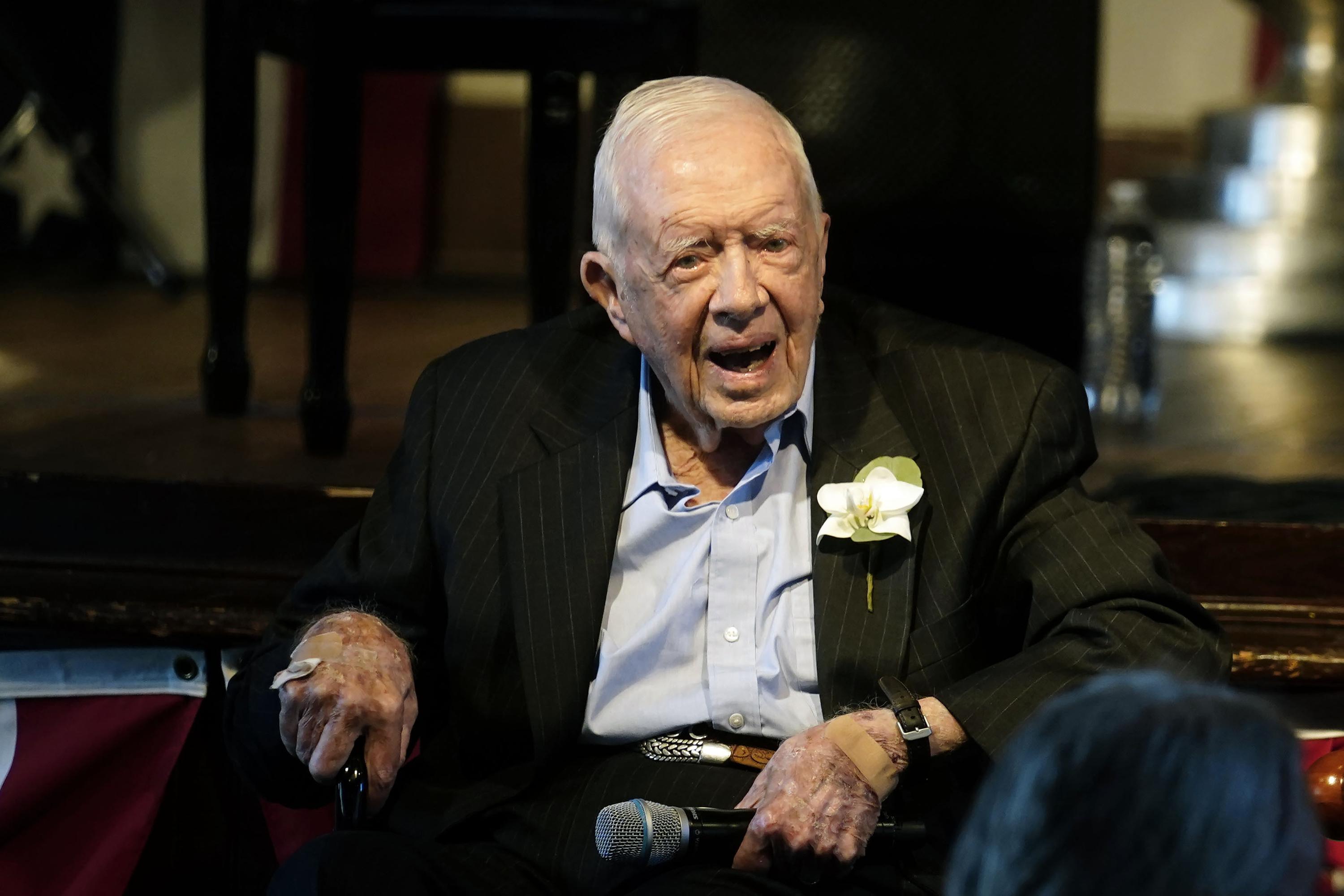
Guided Tours Jimmy Carter National Historical Park U S. National Park Service

Table Of Content Plains train depot A glimpse at what inspires President Carter Connect with the Library From Plains to The White House and ...